The Psychology Behind Casino Games
The allure of casino games lies significantly within the psychology of gambling. Players often experience a rush of excitement due to the unpredictability and chance associated with these games. This thrill is amplified by the possibility of winning; even the slightest chance of hitting a jackpot can create a powerful urge to keep playing. For instance, some players turn to platforms like rocket casino to enhance their experience with various gaming options. The brain releases dopamine, a neurotransmitter tied to pleasure and motivation, whenever a player wins, however small the victory may be. This biochemical reward encourages players to seek more wins, perpetuating the cycle of gaming.
Another psychological factor at play is the concept of variable rewards. In casino games, wins do not occur in a predictable manner, which can lead players to continue playing in hopes of a substantial payout. This unpredictability can create a gambler’s fallacy, where players believe that past outcomes affect future results, leading them to gamble longer in pursuit of what they believe is an inevitable win. These psychological triggers engage players on a deeper level, embedding themselves in their decision-making processes and reinforcing behavior.
Social interaction also plays a crucial role in making casino games addictive. Many casino environments encourage socializing, where players engage with one another, share their experiences, and celebrate wins together. This communal aspect can foster a sense of belonging, making it more appealing to return. As players build connections with others in the casino, the emotional investment in the gaming experience often grows, further entrenching the addictive nature of the games.
The Role of Gameplay Mechanics
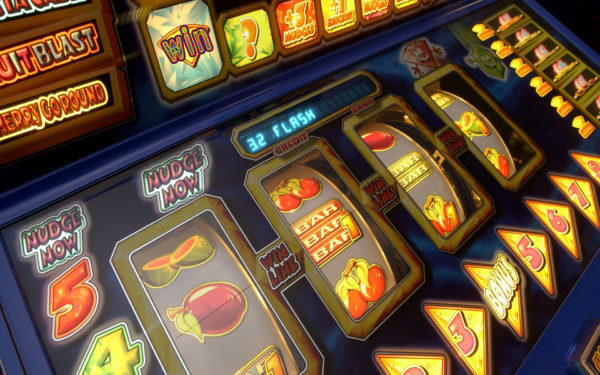
Casino games are designed with specific mechanics that enhance their addictive qualities. For instance, slot machines often feature engaging visuals and sounds that stimulate the senses. This sensory overload keeps players immersed in the experience, making it difficult for them to walk away. The combination of captivating graphics, catchy soundtracks, and frequent small wins creates an environment that heightens excitement, leading players to stay for longer periods than they originally intended.
Additionally, many games incorporate features like bonus rounds, free spins, or progressive jackpots that can incentivize continuous play. These mechanics create a sense of progression and achievement, encouraging players to keep gambling in hopes of reaching the next milestone or unlocking exciting rewards. The anticipation and excitement of triggering these features make gameplay feel dynamic and engaging, drawing players back for more.

The concept of risk versus reward is also intricately woven into gameplay design. Players often have the choice to bet various amounts, providing them with a sense of control over their experience. However, the design tends to encourage higher stakes and larger bets, as players perceive a higher potential reward with increased risk. This push-pull dynamic keeps players on edge and invested in the experience, fueling their urge to continue playing in pursuit of greater wins.
The Influence of Environment and Accessibility
The environment where casino games are played can significantly affect their addictive nature. Physical casinos are often designed to be immersive, featuring vibrant lights, plush seating, and a cacophony of sounds that create an electrifying atmosphere. This carefully crafted environment keeps players engaged for extended periods, often leading to overspending. The ambiance is intentionally stimulating, making it difficult for players to leave without feeling a pull to continue gambling.
With the rise of online casinos, accessibility has also played a pivotal role in addiction. The convenience of playing games from the comfort of home makes it easier than ever for individuals to engage with casino games. Online platforms are often available 24/7, allowing players to gamble whenever they please, further blurring the lines between casual play and excessive gaming. The ease of access can lead to impulsive decisions, as players can quickly log in and start playing without any barriers.
Furthermore, online casinos utilize data-driven insights to tailor the experience to individual players. By analyzing behavior, these platforms can send targeted promotions, bonuses, or reminders that encourage further engagement. Personalized experiences can create a sense of loyalty and connection, making it harder for players to resist the allure of gaming. This targeted approach amplifies the potential for addiction, as players become more deeply entrenched in their gaming habits.
The Impact of Rewards and Incentives
Casino games often incorporate reward systems that contribute to their addictive qualities. Players frequently receive bonuses, loyalty points, and other incentives that can enhance their gaming experience. These rewards create a feeling of progress and accomplishment, encouraging players to continue engaging with the platform. The anticipation of receiving rewards can act as a powerful motivator, compelling players to spend more time and money in hopes of maximizing their benefits.
Moreover, casinos deploy promotional strategies that leverage these rewards, enticing players with free spins, cash bonuses, or exclusive access to games. Such incentives can create an illusion of free gaming, where players feel they are gaining something for nothing. However, this perception often leads to increased gambling behavior, as users may not fully comprehend the financial implications of their actions, leading them further down the path of addiction.
Social competition is also a crucial factor fueling addiction within casino games. Many games now feature leaderboards or social sharing mechanisms that encourage players to compete against friends or strangers. This competitive element taps into the human desire for recognition and achievement, leading players to strive to outdo one another. The drive to maintain a high ranking or achieve recognition can compel players to spend more time gambling, reinforcing the cycle of addiction.
Understanding the Balance of Entertainment and Addiction
While casino games can be entertaining, understanding their addictive potential is essential for both players and operators. It’s crucial to recognize when enjoyment shifts toward compulsive behavior, which can have severe financial and emotional consequences. Awareness of the signs of gambling addiction, such as playing more than one can afford or neglecting personal responsibilities, is vital for fostering healthier gaming habits. Operators must also take responsibility by promoting responsible gaming practices and providing resources for those who may be struggling.
Many online casinos now incorporate features designed to help players manage their gaming behavior. These tools can include self-exclusion options, deposit limits, and reality checks that remind players of their time spent gambling. By implementing these measures, casinos can foster a safer gaming environment while still providing an enjoyable experience. Education on responsible gaming is paramount, ensuring that players understand the risks involved while still enjoying the thrill of casino games.
A balanced approach to gambling encourages players to see casino games as a form of entertainment rather than a source of income or escape. By prioritizing fun and enjoyment over winning, players can enjoy the excitement of gaming without succumbing to addiction. Encouraging a healthy relationship with gambling benefits not only individuals but also the broader gaming community by fostering long-term sustainability and responsibility.